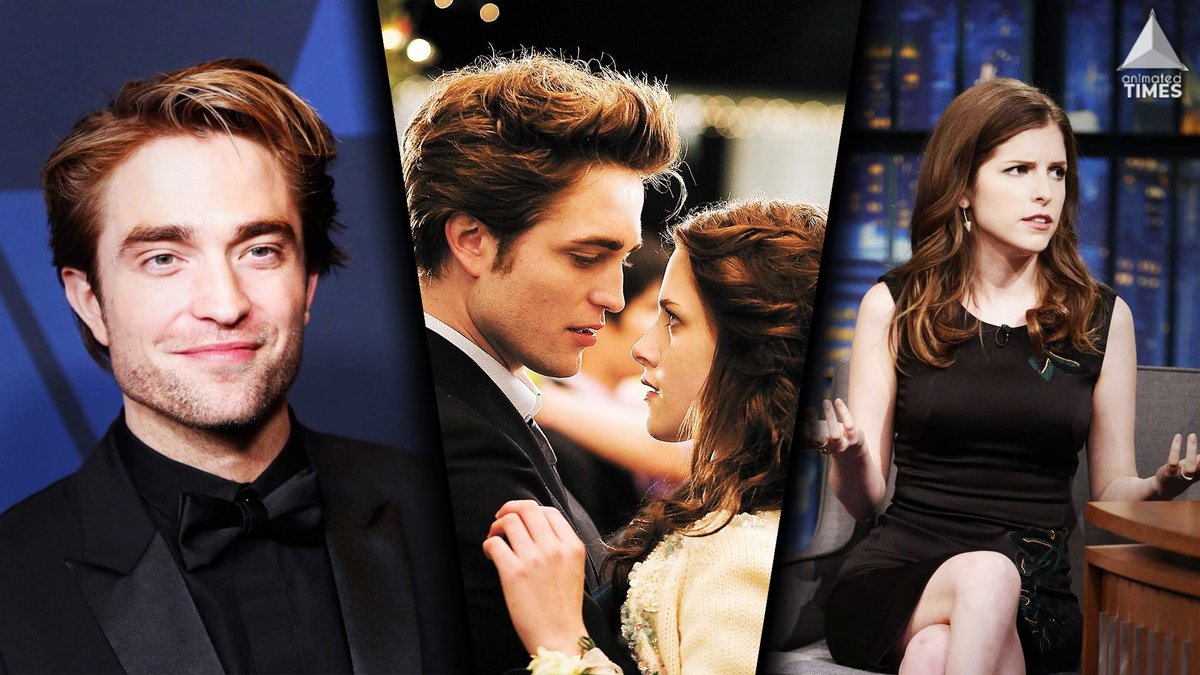
When Twilight first burst onto the scene in 2008, it wasn't just a movie; it was a seismic cultural event. What began as Stephenie Meyer's dream, a chapter born from a single night's inspiration, rapidly transformed into a publishing phenomenon, then a global film franchise that raked in $3.4 billion worldwide. For the young actors who stepped into the roles of vampires, werewolves, and the human caught between them, this wasn't just a job – it was a life-altering experience. The Twilight Franchise Legacy for Its Actors is a complex tapestry of immediate superstardom, intense scrutiny, and an enduring impact that continues to shape their lives and careers over 15 years later.
At a Glance: The Enduring Impact of Twilight on Its Stars
- Instant Global Fame: Actors went from relative unknowns to household names overnight, experiencing unprecedented levels of attention.
- Mixed Feelings for Many: While grateful for the opportunity, several principal actors express complex emotions, ranging from pride to resentment over lost normalcy.
- Career-Defining Roles: For some, Twilight opened doors; for others, it presented challenges like typecasting.
- Intense Fandom: The dedication of the Twihards was — and remains — unparalleled, impacting actors' public and private lives.
- Lingering Connections: Despite the drama, many cast members recall a sense of family, built through years of shared, intense experiences.
- A Continuous Conversation: Even years later, the actors are still asked about Twilight, keeping the legacy alive in their public personas.
The Big Bang: From Book Pages to Billions
Imagine a dream that morphs into a novel, then sparks a bidding war, ultimately becoming one of the most successful film franchises in history. That's the Twilight story. Stephenie Meyer's initial vision on June 2, 2003, quickly materialized into Chapter 13 of Twilight, published just two years later. It landed her a $750,000 three-book deal, and the rest, as they say, is cinematic history.
Paramount Pictures' MTV Films optioned the rights as early as 2004, even before the book hit shelves. Producer Greg Mooradian famously recognized the unpublished manuscript as "the next big thing." While early script drafts flirted with outlandish ideas—like Bella on jet skis or being chased by the FBI—screenwriter Melissa Rosenberg meticulously ensured the final scripts remained true to Meyer's core mythology, including iconic details like Edward's glittering skin. This commitment to the source material fueled the initial fervent fan base, setting the stage for the unprecedented levels of fame the actors would soon experience.
Under the Glare: The Immediate Aftermath of Stardom
When Twilight premiered in 2008, it wasn't just a movie; it was a phenomenon. The relatively unknown cast was suddenly thrust into a blinding spotlight. Kristen Stewart, already noted for her work in "Into the Wild," was director Catherine Hardwicke's immediate choice for Bella Swan. Robert Pattinson, a "dark horse" for Edward Cullen, needed Stewart's fervent advocacy and a "makeover" to convince the studio of his potential. Once those published photos hit, public perception—and anticipation—skyrocketed.
The filming itself was an exercise in intense focus amidst growing frenzy. Shot in the spring of 2008 around Portland, Oregon (doubling for the perpetually gloomy Forks, Washington), the film's desaturated palette, with its cool whites and greens, offset by the "shock value" red of Bella's truck, became instantly recognizable. Composer Carter Burwell crafted Edward's lullaby from an old piece he'd written after a breakup, with Pattinson learning to play it on screen, adding an intimate layer to the character.
But the real challenge began with release. The moment Twilight hit theaters, the actors’ lives changed irrevocably. "New Moon" was announced the day after Twilight's release, underscoring the relentless pace. For the second film, actors playing the burgeoning wolf pack, such as Kiowa Gordon, underwent an intense "wolf training camp," gaining 10-12 pounds of muscle in just two weeks to embody their roles physically. By the time "Eclipse" rolled around, paparazzi were "pretty extreme," climbing trees to get a shot, necessitating "presidential service" level security for the young stars. This constant intrusion, the loss of anonymity, became a defining—and often challenging—aspect of their Twilight legacy.
Navigating the Afterglow: Actors Reflect on Their Twilight Years
More than 15 years after the first film's premiere, the global fame hasn't faded for the Twilight cast. Their reflections offer a fascinating, often complex, look at what it means to be part of such a colossal cultural event.
The Leads: A Complex Relationship with Their Iconic Roles
For the central trio, the experience was profoundly personal and professionally defining.
- Robert Pattinson (Edward Cullen): Pattinson's public comments on Edward have often been marked by a wry, self-deprecating humor. In 2019, he called his character a "weirdo" and joked that in reality, Edward would likely be an "axe murderer." He also candidly admitted that "a lot of the stuff" in the movies didn't "make any sense" to him, particularly the idea of characters remaining in high school for decades. This perspective offers insight into an actor grappling with a role that brought him unparalleled fame but perhaps not deep artistic fulfillment in every aspect.
- Kristen Stewart (Bella Swan): While Pattinson often poked fun, Kristen Stewart has expressed a deep, almost protective, pride in the films despite their detractors. She acknowledges the sheer intensity of the experience, particularly the constant repetition of "Bella," which she found overwhelming. Stewart also offered a unique, insightful interpretation, describing Twilight as "such a gay movie." She elaborated on this, suggesting its themes of "oppression, about wanting what’s going to destroy you," embody a "Gothic, gay inclination," hinting at a deeper subtext beneath the surface romance.
- Taylor Lautner (Jacob Black): Lautner's perspective has evolved significantly. While he now feels "incredibly thankful" for the opportunities Twilight afforded him, he also admitted to holding "a little bit of resentment" for what he missed—a sense of "normalcy." This candid admission speaks to the profound trade-off between global stardom and the simple, often overlooked, joys of a regular youth.
The Inner Circle: From Background to Beacon
Even those in supporting roles felt the ripple effects of Twilight's immense popularity.
- Anna Kendrick (Jessica Stanley): Kendrick, who played Bella's human friend Jessica, describes her experience as unique. She felt like a "bystander" to the intense fanfare surrounding the leads. This distance, she says, allowed her to witness the cultural phenomenon without its overwhelming personal impact, all while acknowledging the fervent obsession fans held even for minor roles. Her ability to observe rather than be consumed is a testament to her position just outside the core emotional vortex of the franchise.
- Kellan Lutz (Emmett Cullen): The experience wasn't always smooth sailing for the supporting cast either. Kellan Lutz, who played the powerful Emmett Cullen, nearly didn't return for the final installments, Breaking Dawn. His reason? The significant amount of "waiting" on set clashed with his impatient nature. It took intervention from the team to convince him to stay, highlighting the sometimes mundane, yet taxing, realities of a large-scale production.
- Ashley Greene (Alice Cullen): Greene, who portrayed the visionary Alice Cullen, reflected on the five years the core cast spent together. She described them as "like a family," but being in their early 20s, they naturally experienced "ups and downs" and the inevitable "drama" or "tiffs" that come with intense, prolonged collaboration under pressure. This insight reminds us that behind the cinematic magic, there were real people navigating complex relationships. If you're curious about the ensemble that brought these characters to life, you can learn more about the Cast of Twilight Eclipse and their individual journeys within the saga.
The Veterans: Embracing the Legacy
Not all actors harbored mixed feelings. For some, the opportunity to be part of the Twilight world remains a source of pure enjoyment and potential.
- Peter Facinelli (Carlisle Cullen): Peter Facinelli, the benevolent patriarch Carlisle Cullen, stated in 2020 that he would "gladly reprise his role." He clearly found the character and the world of Twilight "fun to play," showcasing an actor who fully embraced the fantastical elements and the enduring affection for his role.
- Jackson Rathbone (Jasper Hale): Jackson Rathbone, who played the tormented Jasper Hale, recently reignited fan discussions on October 23, 2024, by tweeting his interest in a "Jasper origin film." This desire, however, sparked immediate fan debate regarding Jasper's backstory as a Confederate army member, demonstrating how deeply ingrained and sensitive the franchise's mythology remains for its audience.
Beyond Forks: Career Trajectories and Typecasting's Shadow
The shadow of Twilight loomed large over its actors' post-franchise careers. For many, the challenge became proving their versatility beyond the iconic roles.
Kristen Stewart, for instance, actively sought out independent and arthouse films, earning critical acclaim and an Oscar nomination for her work in "Spencer," portraying Princess Diana. This deliberate pivot allowed her to shed the "Bella" image and establish herself as a serious dramatic actress. Robert Pattinson similarly chose unconventional roles, from critically lauded independent films like "Good Time" to blockbusters like "The Batman," consciously diversifying his portfolio and demonstrating his range.
Taylor Lautner, perhaps, faced some of the more significant challenges with typecasting, though he has since spoken openly about finding peace and pursuing projects that genuinely excite him. Anna Kendrick's trajectory saw her successfully transition into comedic and musical roles ("Pitch Perfect"), showcasing a talent that was only hinted at in her Twilight appearances.
For supporting actors like Ashley Greene and Kellan Lutz, Twilight undeniably provided a robust platform. While they continue to work steadily in film and television, the sheer magnitude of their Twilight fame meant that every subsequent role would be viewed through the lens of their vampiric past. The franchise undeniably opened doors, but it also necessitated a constant effort to redefine themselves in the eyes of an audience that already knew them so well.
The Enduring Fandom: A Double-Edged Sword
The Twilight fandom, affectionately known as Twihards, is legendary for its passion and dedication. This unwavering support has been a cornerstone of the franchise's longevity and an indelible part of the actors' legacy.
During filming for "Breaking Dawn Parts 1 & 2," directed by Oscar-winner Bill Condon, the intensity was palpable. The final fight scene, for instance, involved actors contending with fake snow (mulched paper) causing "needles in their eyes" and contacts issues (Nikki Reed famously had a torn contact requiring digital retouching). Yet, the cast persevered, knowing the immense anticipation from fans.
The impact of this fandom extends beyond the filming. Many actors report still being recognized daily, still receiving fan mail, and still engaging in conversations about the series. This continuous interaction means Twilight is never truly in their past; it's a living, breathing part of their present. The powerful connection between the actors and their audience was beautifully encapsulated in the ending of "Breaking Dawn – Part 2," which concluded with a black-and-white montage of nearly every character. This was seen by cast members as an honorable farewell to both the performers and the devoted fans, a touching acknowledgment of the journey they had all shared. Christina Perri, whose "A Thousand Years" became an iconic Twilight song (though Ryan O'Neal's "Turning Page" was the actual wedding procession song), even recorded a special "swan song" version of her hit as a thank you to fans, underscoring this deep reciprocal appreciation.
The Unseen Chapters: Life Lessons and Lingering Bonds
Beyond the fame, the finances, and the filmography, Twilight left a profound personal imprint on its actors. For many, it was an accelerated course in growing up in public. They learned to navigate intense media scrutiny, manage complex relationships under pressure, and forge their identities in the glare of global attention.
The bonds formed on set, as Ashley Greene noted, were akin to a family. Spending five intense years together, sharing triumphs and navigating challenges, inevitably creates a unique connection. While there were "ups and downs" and "drama," these shared experiences forged friendships and professional relationships that have, in some cases, endured beyond the final film. This sense of camaraderie provided a crucial support system during a whirlwind period of their lives, and the lessons learned—about resilience, adaptability, and the value of true connection—continue to serve them today.
What Lies Ahead: A Future in the Twilight Universe?
The possibility of revisiting the Twilight universe is a question that perpetually excites fans and occasionally piques the interest of the actors themselves. Peter Facinelli's enthusiasm for reprising Carlisle and Jackson Rathbone's pitch for a Jasper origin film demonstrate that the door isn't entirely closed.
With the enduring popularity of reboots, prequels, and expanded universes in Hollywood, the Twilight saga remains ripe for potential future iterations. Whether this involves animated series, spin-offs, or even a direct continuation, the legacy ensures that the characters and their stories will likely persist. The actors who brought them to life will forever be synonymous with these roles, and their willingness to engage—or not engage—with future projects will continue to shape the narrative of their Twilight legacy.
The Lasting Imprint: Why Twilight's Legacy for Its Actors Persists
The Twilight Franchise Legacy for Its Actors is multifaceted and undeniable. It's a legacy of unprecedented global fame, often accompanied by the quiet costs of lost normalcy. It’s a story of career challenges and triumphs, where iconic roles became both a springboard and a hurdle. It’s a testament to the power of a passionate fandom that continues to connect with the characters and the people who embodied them. And fundamentally, it's a chapter of their lives marked by intense personal growth, indelible memories, and bonds forged in the fires of a cultural phenomenon.
A Saga Etched in Lives
Twilight was more than just a series of films; it was a cultural force that swept up millions, including its stars. For the actors involved, it was a crucible that tested their resolve, shaped their careers, and left an indelible mark on their personal lives. Their journeys post-Forks continue to unfold, demonstrating that while the cameras may have stopped rolling over a decade ago, the saga of the Twilight actors is still very much being written, one reflection, one role, and one fan interaction at a time.